



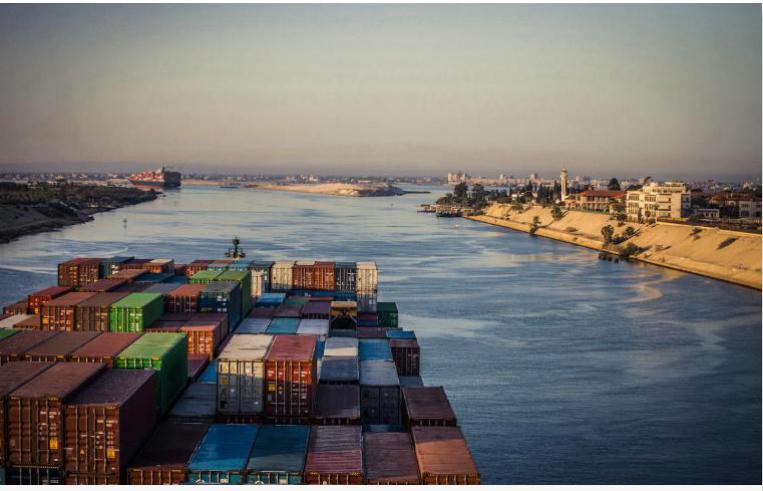
Despite Nigeria’s comparative advantage and self-sufficiency status in the production of certain products, cement, flour, rice, sugar and 180 other products would not be liberalized under the African Continental Free Trade Area (AfCFTA), even though doing otherwise would help the country tame its rising inflation, The Guardian learnt.
Sources familiar with the tariff lines in the schedule submitted to ECOWAS by Nigeria for negotiation told The Guardian that, while 131 products are already on the import prohibition list, the remaining products on the exclusive list were picked based on national priorities, trade volume, emphasis, food security and competitive advantage.
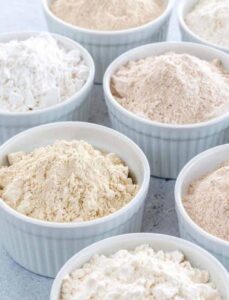
While negotiations have almost been concluded on sugar exclusion, semi-milled or wholly milled rice, whether polished or glazed, flour (meal and powder), cocoyam flour and cement are products being protected by the country the trade deal.
The Guardian learnt that a complete list of the tariff lines is expected to be released before the end of the month after consideration from the Tariff Technical Committee.
Though the commencement of the AfCFTA portends advantages to Nigeria’s trade balance as it opens a broader market space for the country’s exports and opportunity to get cheaper imports of goods and services, its protectionist stance on some commodities that the nation’s local capacity cannot be met raises concerns.
Presently, only seven per cent of sensitive products (427 tariff lines) and three per cent (184 tariff lines) of exclusive products were negotiated rather than the other way. This puts over 4,300 tariff lines under the liberalized list. With concerns about the country’s readiness for the trade deal, stakeholders are already trading blames on removing the obstacles, especially regarding implementation, rules of origin, tariff lines and future negotiations.
Local manufacturers are already worried, noting that Nigeria could not benefit from the various opportunities due to low trade infrastructure; hostile trade environment, especially among Nigeria’s neighbouring countries; high level of trade malpractices; and limited trade capacity fuelled by supply constraints, among other things.
There are already concerns about Nigeria’s readiness to implement the AfCFTA, considering the `disconnect between implementation and negotiations, as well as intense lobbying by different groups for the position of the office of the DG/Chief Trade Negotiator after the passing of Ambassador Chiedu Osakwe.
Local producers had raised concerns about the use of frequency of the choice of member-state as significant criteria to select tariff lines that will go into Exclusion, Sensitive and Liberalized baskets, not minding the economic size, the magnitude of market and industrialization capacity of member-states is a concern that Nigeria has to incorporate.
According to them, liberalization should be in phases to support the local industry that is already undermined by lingering challenges.
A stakeholder familiar with the negotiations expressed worry about abuse of origin rules, especially by Nigeria’s neighbours.
The primary goal of rules of origin is to prevent trans-shipment – that is, goods from a non-preferential country being imported at preferential rates of duty.
According to Yusuf, our industries produce at a very high cost compared to other countries, adding that even the so-called mature industries incur huge costs that make them lose competitiveness.
“Many of these industries deal with multiple challenges. Many of the sectors still import raw materials. Many of them have invested heavily in the country, and exposing them without strategic caution could kill these industries.
“Government should seek a balance between protectionism and liberalization, by considering the effects on competition and people’s welfare. The criteria for identifying the products under certain lists need to be explained,” he added. At present, Nigeria’s cement production is about half of its almost 60 million MT installed capacity, with operators already looking to the export market for value.