



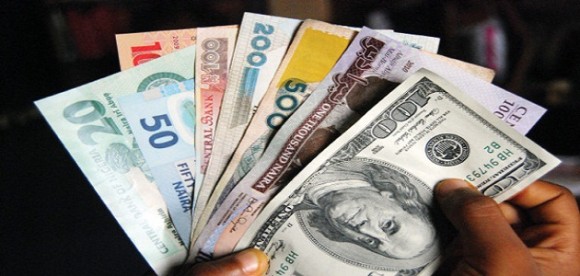
Nigerian businesses groan as naira devaluation bites economy.
The Central Bank of Nigeria’s decision to devalue the naira has been a heavy burden on businesses and consumers.
At the age of 45, Johnson Mathew, a Lagos-based civil engineer, can count just a few mistakes in his life. One is ignoring a piece of advice by a friend to save part of his income in US dollars.
A year on from that advice, Mathew is filled with regret. He has seen his life savings shrink to almost nothing as a result of the Central Bank of Nigeria (CBN) constantly devaluing the naira, leading to a spike in inflation.
Mathew made another blunder in January when he delayed purchasing building materials for his family house in Ebonyi State, Nigeria.
By early June, when he finally decided to start the building project, the prices of cement, sand, granite, iron rods and other building materials had risen by at least 30% compared to January.
The price increases followed the 25 May devaluation of the naira, from N379/$1 to N410.25/$1. By 12 June, the naira was exchanging at N502/$1 on the parallel market, where the majority of Nigerians purchase their foreign exchange.
The exchange rate volatility, the scarcity of dollars and speculators making a premium from the currency crisis pushed the naira to its current level of depreciation.