



Monalisa Agbata
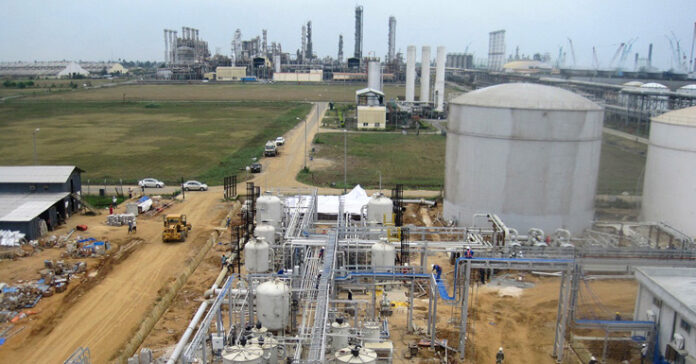
The newly completed Dangote Granulated fertilizer plant by Dangote Industries Limited is set to begin operations in Q1 of 2021. Based on records, the fertilizer complex is located at the Lekki Free Zone (LFZ), in Lagos State is said to have gulped about $2.5 billion in the first phase of the project
According to the Group Executive Director, Capital Projects and Portfolio Development, Dangote Industries Limited, Mr Edwin Dakurma, the Dangote Fertilizer Plant will produce customized fertilizers to match different soil conditions, climate conditions and plants cultivated across the target markets. “So each crop and each type of soil requires a slightly different type of materials, so what we are trying to do is we are trying to analyze all the soil we are doing the soil mapping process, and then we are trying to make customized”.
While touring the facility earlier in 2020, The Minister for Agriculture and Rural Development, Alhaji Sabo Nanono said that the new fertilizer plant would tremendously improve the Nigerian agricultural sector and economy. “This plant in five-ten years will change Nigeria agriculture and economy, as the efforts by Dangote Industries will help to ward off the crisis encountered in local production which has impacted agriculture.
“The new fertilizer plant will make fertilizer available to Nigerian farmers, now we can forget all those merchants of fertilizer that have been confusing this country for the last society 40 years, as we have received an answer from somebody who views them and makes it straight to the farmers.”
Recall that the Dangote Granulated Fertilizer Plant’s commencement has suffered several setbacks due to the COVID-19 pandemic. Dangote Group earlier projected that the plant will begin operations before the end of December 2020.
The Dangote Granulated Urea fertilizer plant owned by Africa’s most diversified manufacturing group, Dangote Industries, is expected to generate an annual return of $400m in foreign exchange with a production capacity of 3MMTPA of urea. It is also expected to reduce Nigeria’s fertilizer importation while exporting to other African Countries.